Encouraging More Inclusive Villages: A Portrait of Change from the SOLIDER Program
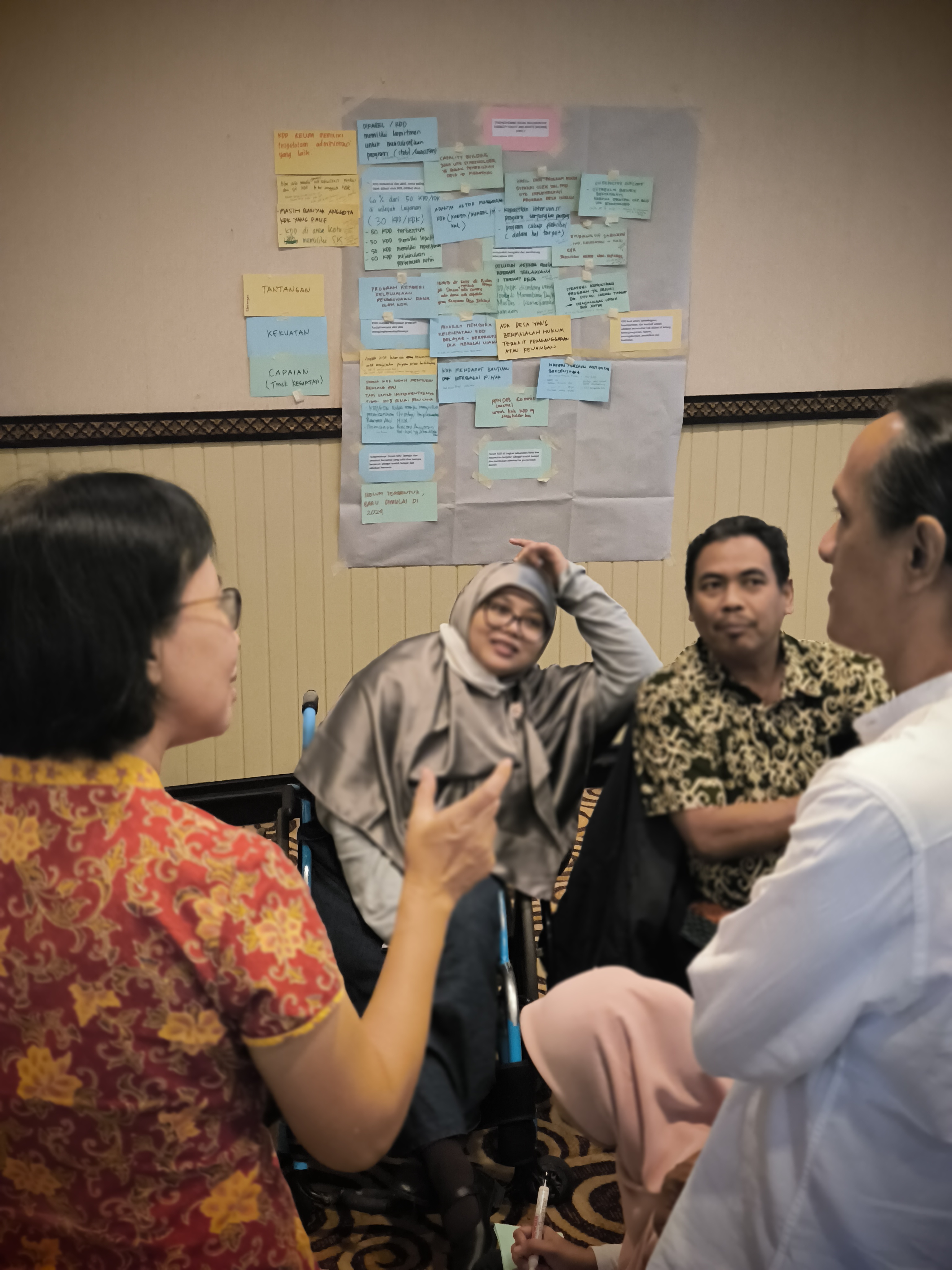
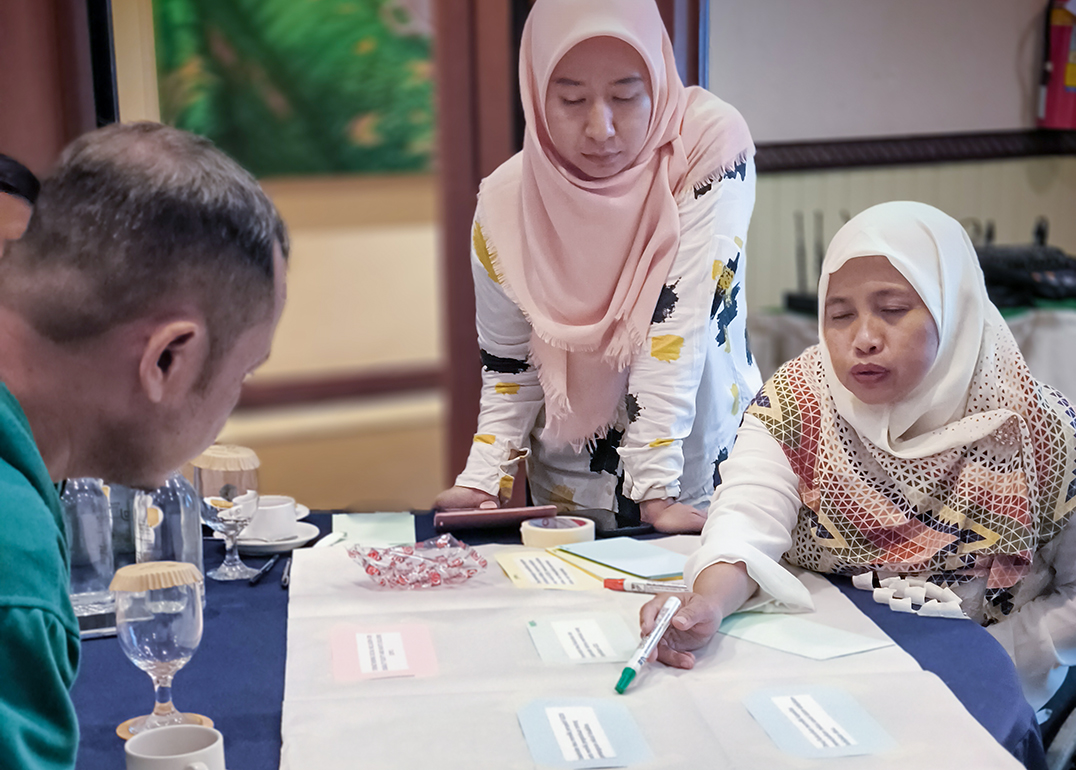
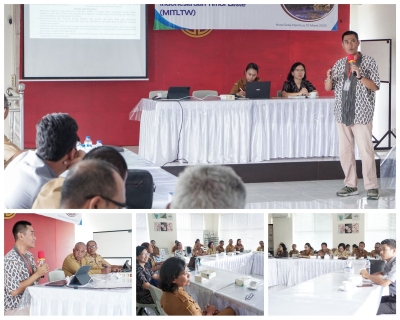
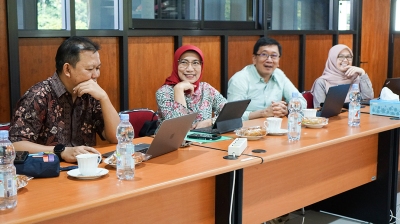
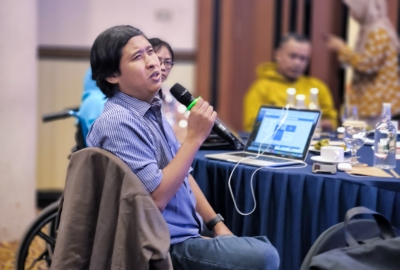
In 2024, Inovasi Tangguh Indonesia (InTI) supports SIGAB Indonesia to conduct a Mid-Term Evaluation of the SOLIDER Program carried out by SIGAB. The results of this evaluation study show the success of SIGAB Indonesia in achieving the program objectives and show the significant changes brought about by the SOLIDER program in the OPDis SIGAB partners and assisted communities at the program location.
In Balikpapan, East Kalimantan, Aditya Saputra, youth with disabilities, never imagined that he would participate in formal job training. But since the Disability Service Unit (ULD) was formed in his village, he began to feel seen.
"We started to be involved in job training. There is a real opportunity now," he said.
Aditya's story is one of hundreds of voices that emerged in the mid-term evaluation of the SOLIDER Program which will be held in May-June 2024.
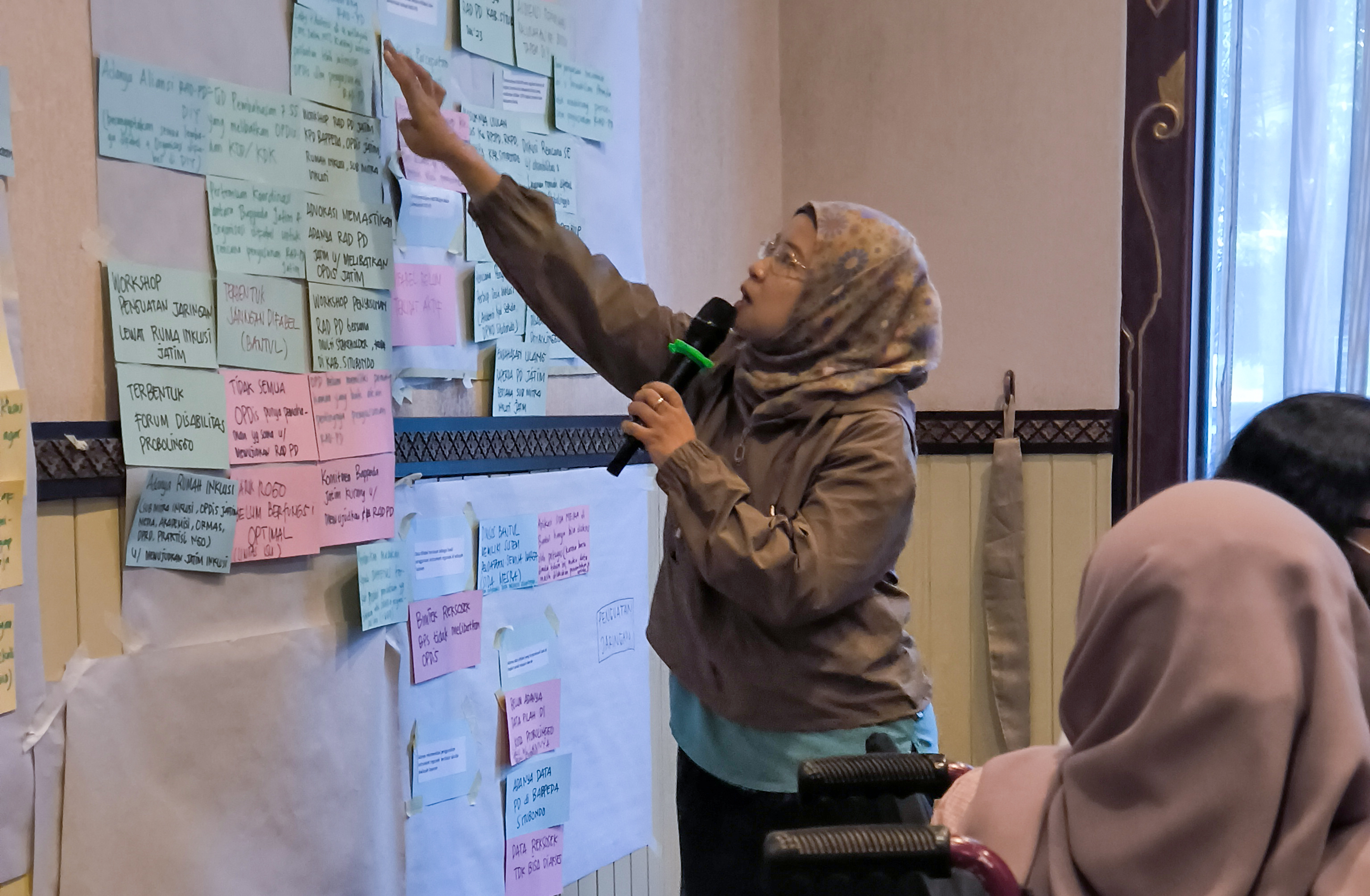
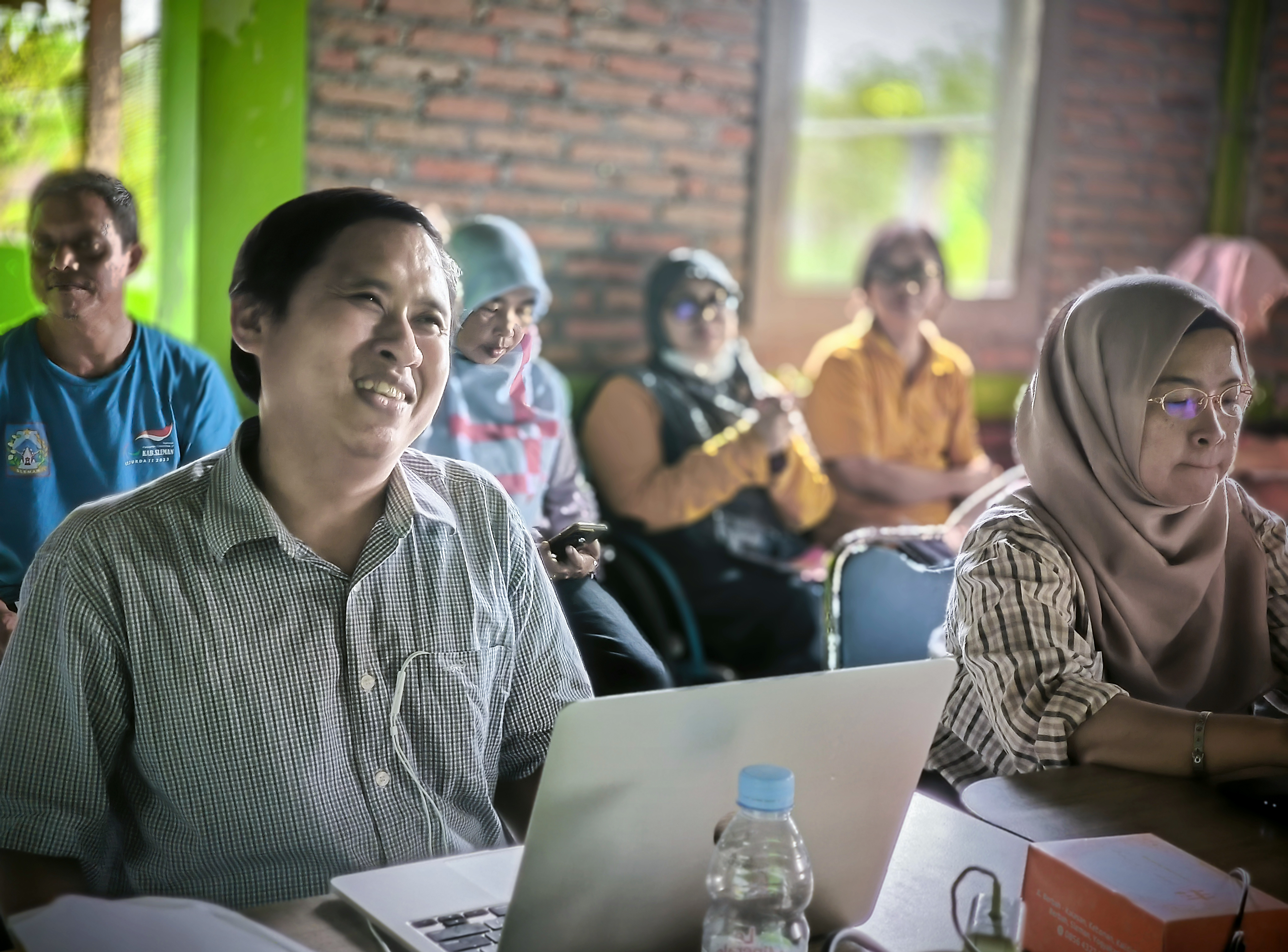
The SOLIDER or Strengthening Social Inclusion for Disability Equity and Rights program has been running since 2022, initiated by SIGAB Indonesia and supported by the INKLUSI Program (Australia-Indonesia Partnership). This program targets 50 villages and sub-districts in 8 districts/cities, from DIY, East Java, NTT, to East Kalimantan. The main goal: to strengthen the role of people with disabilities in the development of a more equitable and inclusive village.
By forming Village Disability Groups (KDD/KDK), encouraging the birth of the Inclusive Village Regulation, and strengthening ULD in the field of employment, this program has changed the face of social participation at the grassroots level. The evaluation carried out by InTI involved 311 respondents with disabilities and 103 resource persons from various program areas.
Result? As many as 94% of respondents admitted that the program helped fulfill their basic rights. As many as 77% are now actively involved in village deliberations, a figure that reflects a significant shift in social inclusion.
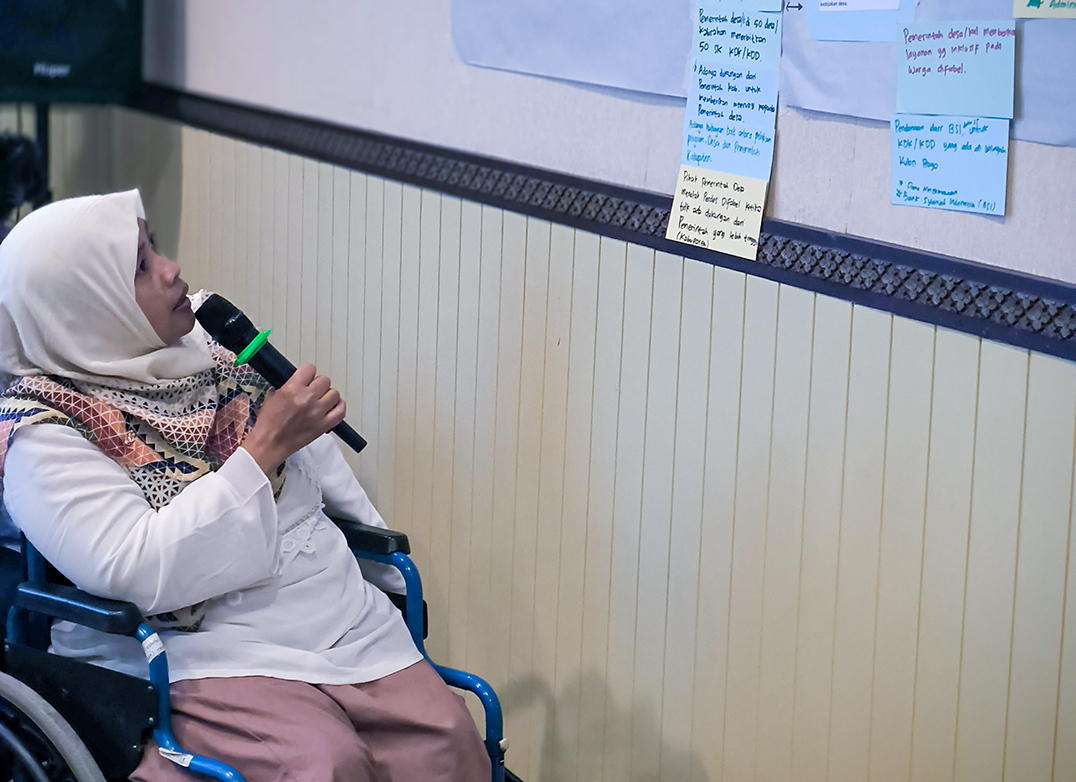
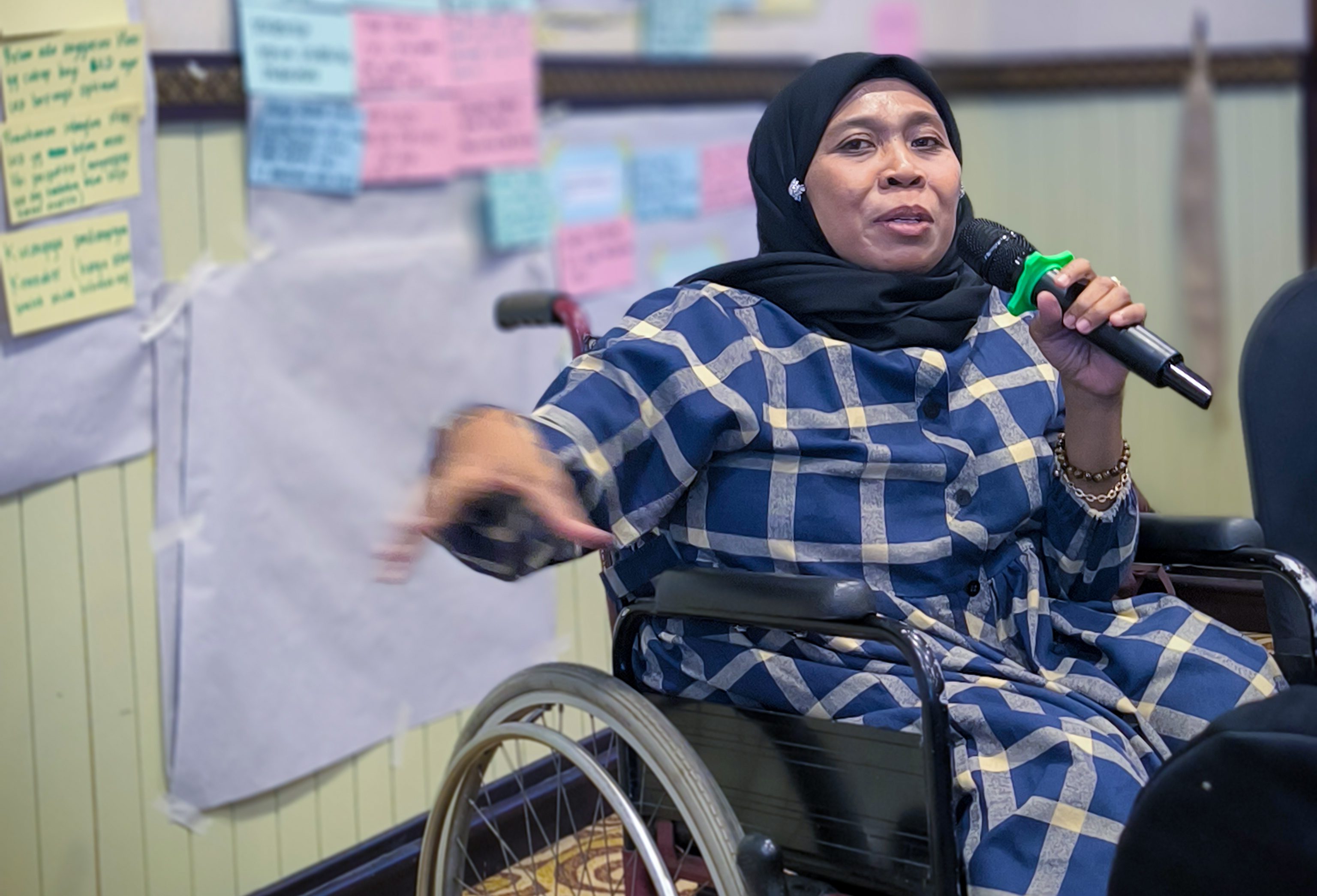
"In the past, we people with disabilities were not involved. Now, we can submit proposals directly at the musrenbang," said Eliaser Siki, Chairman of KDD Oelasin Village in Rote Ndao.
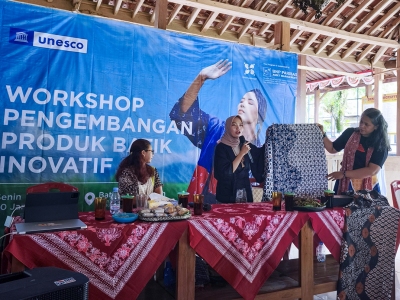
These village disabled groups are now a legitimate part of the village structure. They have a work plan, manage inclusive businesses such as chips and eco-print batik, and in some locations even receive funding from the village government. At the district/city level, ULD has been officially formed in Situbondo, Probolinggo, and Rote, and has begun to establish relationships with business actors to open access to inclusive work.
Other impacts are also evident: 68% of respondents say public facilities are now more accessible; 40% can access administrative services more easily; and 35% get better access to health services. SIGAB and local partners also now have a stronger monitoring, safeguarding, and internal SOP system.
Not only in the field, media advocacy is also carried out through Solider.id and Solider TV although challenges such as limited communication budgets still exist. However, the power of change is still felt, especially when the community and village officials begin to change the perspective of people with disabilities not as objects of assistance, but as subjects of development.
"Change does not come from above. SOLIDER shows that villages can be the beginning of real change," said Muhammad Joni Yulianto, Executive Director of SIGAB Indonesia.