TIWA's Commitment to Collaborative Efforts Continues in Malaka
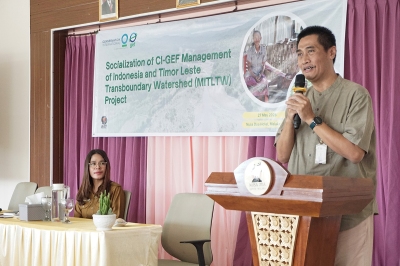
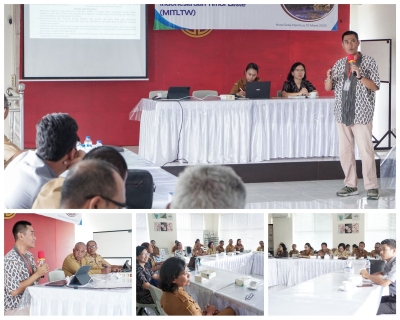
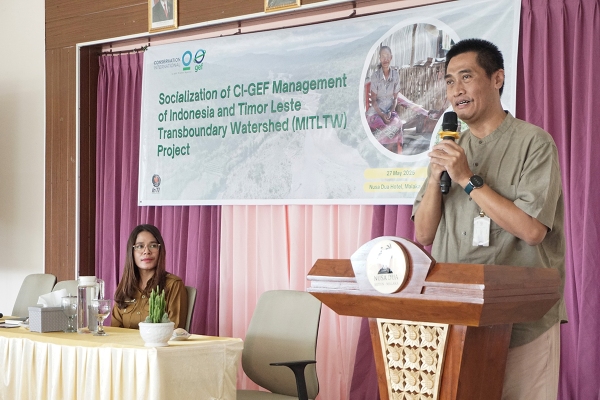
After its launch through the Inception Workshop in Kupang, NTT, May 21-23, 2025, the TIWA (Timor Island Watersheds) Program, which was originally named MITLTW (Management of Indonesia and Timor Leste Transboundary Watersheds) continues its steps in Malaka Regency, NTT. The joint discussion between Inovasi Tangguh Indonesia (InTI) as the co-executing agency of the program in the Indonesian region in a Socialization Meeting with stakeholders in Malaka Regency, on May 27, 2025, went well by continuing to put forward a collaborative spirit
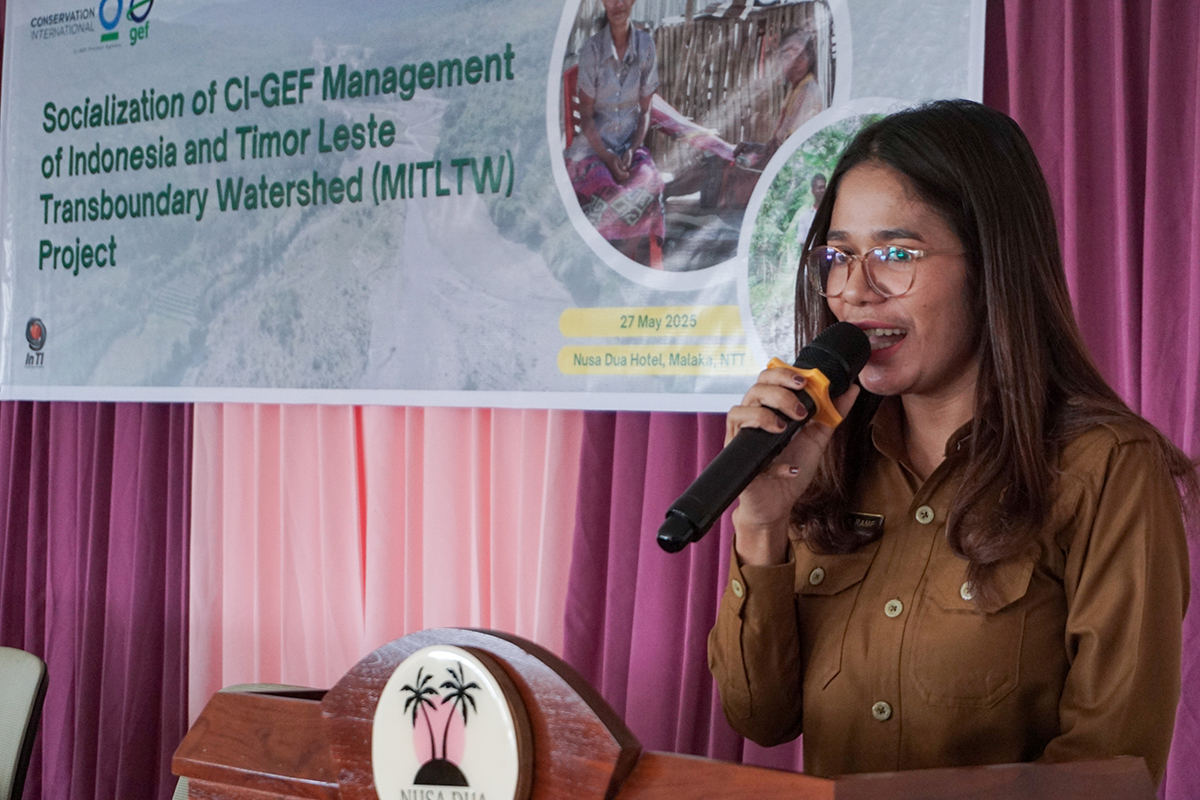
Opened by Dr. Leonarda Sofiani Rame, S.T., M.Si. as the Acting Head of BAPPERIDA Malaka Regency, expressed appreciation from the Malaka government because this program can be an important part of sustainable, environment-based, and regionally oriented development.
"Malaka has a unique challenge because it is transboundary, shouldering the responsibility of managing transboundary natural resources," said Leonarda.
"The involvement of the Malaka government is not just administrative involvement but a manifestation of responsibility and commitment to mainstream sustainable development," she added.
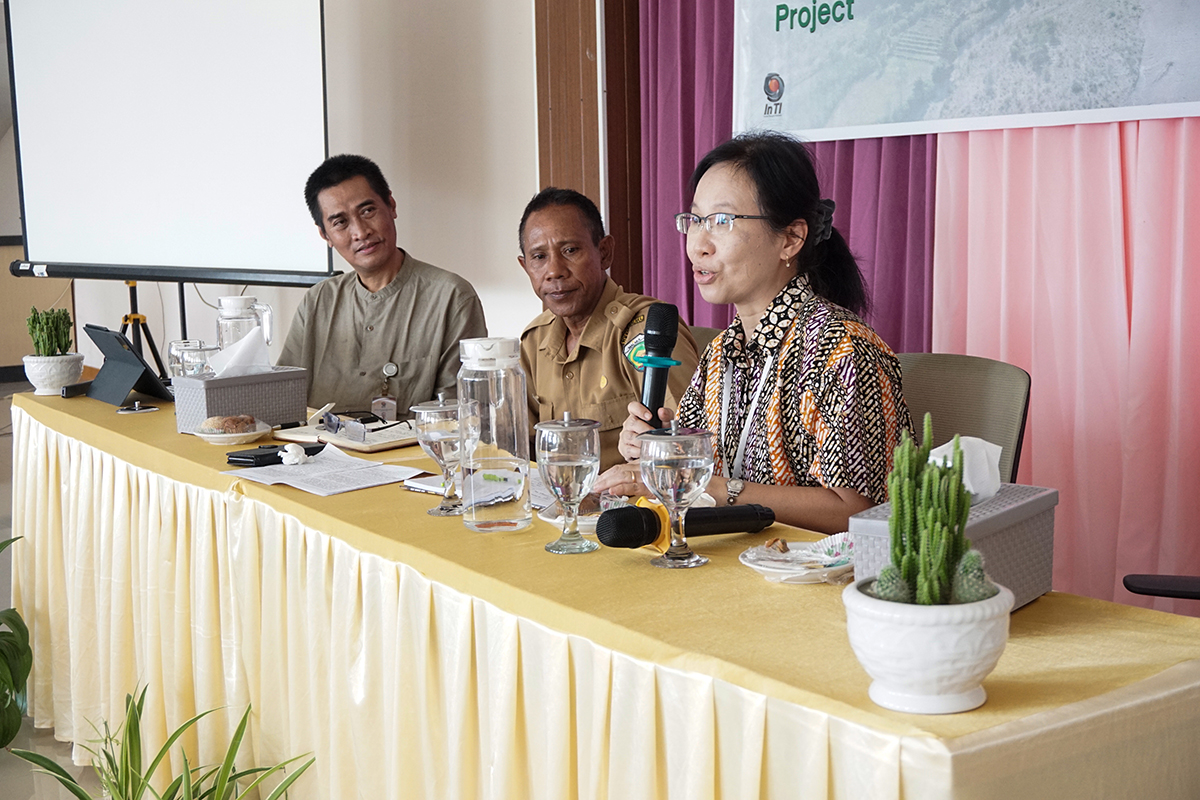
Johan Rachmat Santosa, Technical Lead of InTI, embraced the appreciation and said that this program is a collaborative program, it cannot be carried out alone.
"We build collaboration because we can't carry out this program on our own, this is the key. So with the presence of representatives from Regional Apparatus Organizations and other related stakeholders today, it is really a good start," said Johan.
"This program will run for five years, until 2030. And even though this program is about Watersheds, it is actually not just about rivers but all aspects of livelihood and conservation in the watershed area, especially the Motamasin Transboundary Watershed," Johan added.
In addition to the main components of this program, the elements of Safeguarding and Protection were also conveyed.
"Do not let this program, in its implementation, ignore the needs of the community, or even disrupt or damage the existing order, environment, local wisdom, and livelihood sources of the community," said Phoebe Pandyopranoto, Project Lead of InTI.
Therefore, the study of the Cross-Border Watershed Diagnosis will be carried out in depth. Not only involving academics from universities, but this study is carried out in a participatory manner together with the community so that the needs in the community can be captured in this study.
"So that the Strategic Action Plan for Transboundary Watershed Management which is prepared based on the results of the study really reflects the needs of the community and can be in line with the programs of the Malaka Regency government, especially for the Indonesian region and Covalima for the Timor-Leste region," said Johan in his explanation.
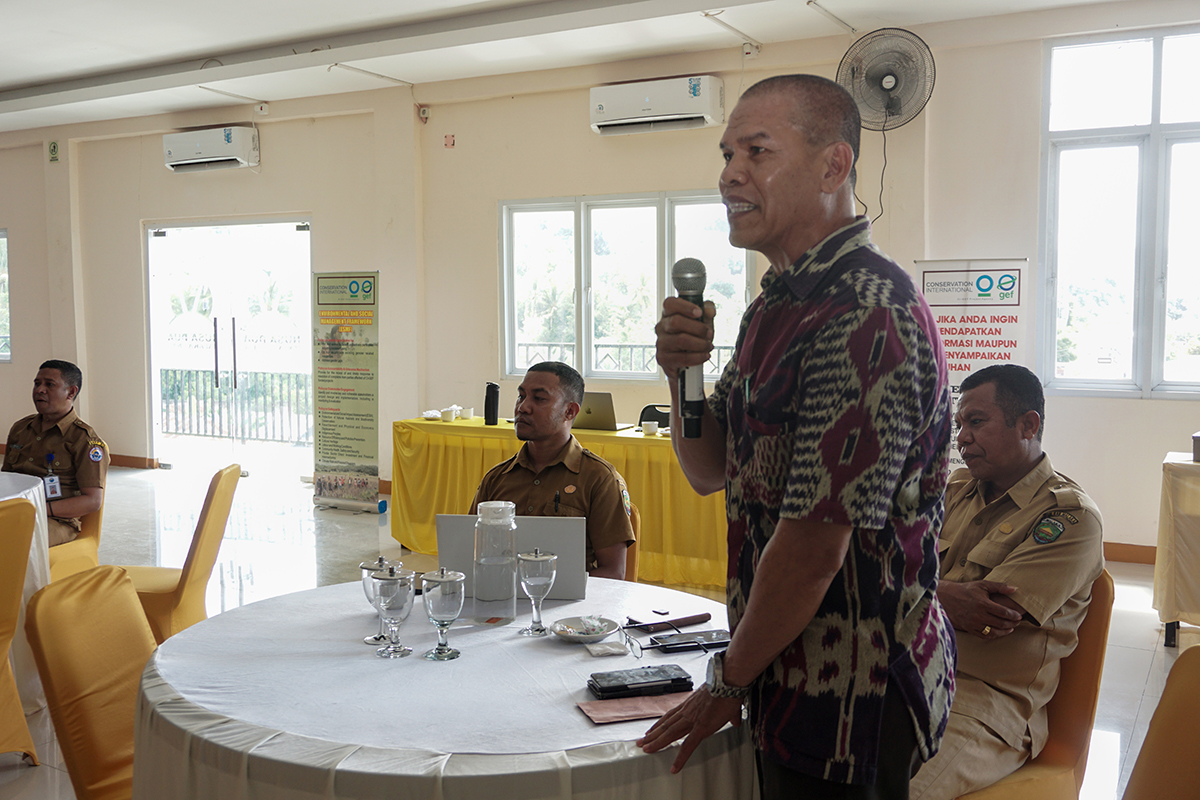
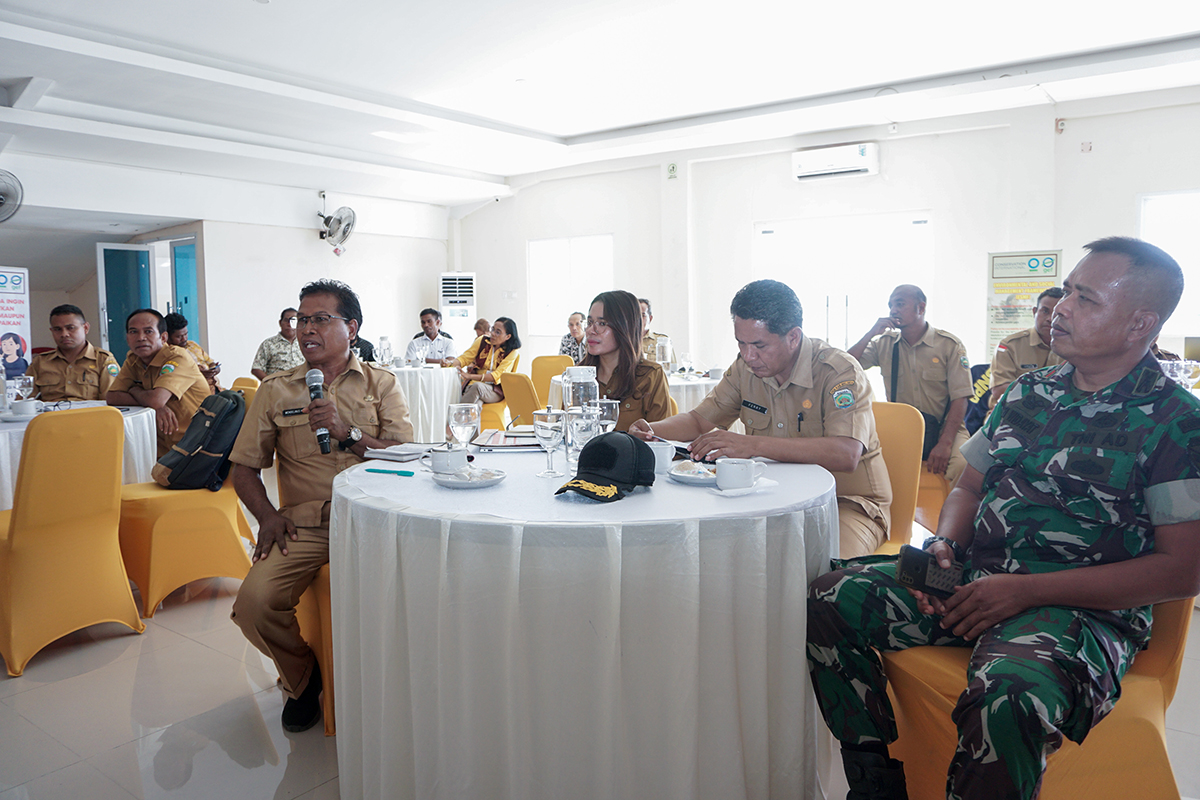
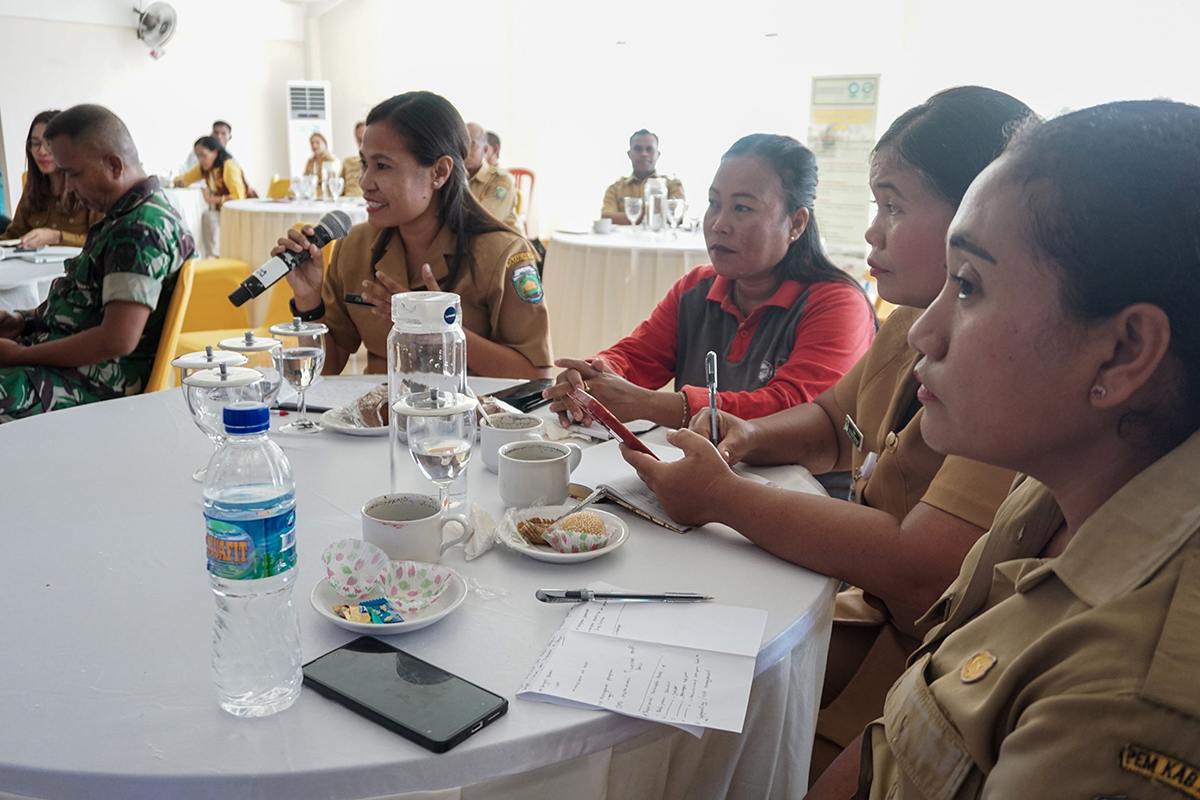
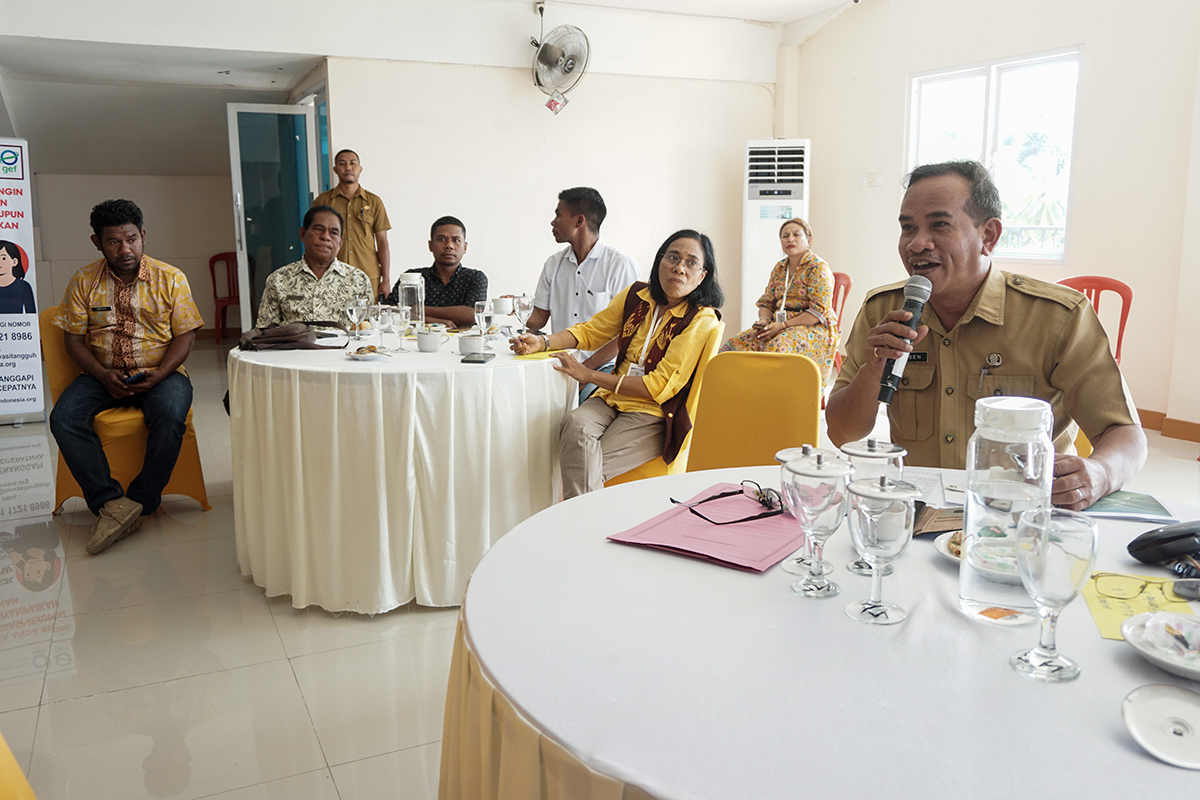
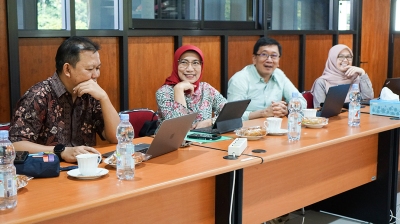
Various stakeholders from villages, technical offices, and community groups presented a number of important suggestions in the socialization meeting related to the implementation of the Timor Island Watersheds (TIWA) Program. Representatives of border village communities highlighted the need for trainings to increase capacity building, livelihood development, and resource conservation for farmer groups, ranchers, and women. The issue of clean water management is also an urgent issue that needs to be addressed with an integrated approach.
From the local government side, the Social Service emphasizes the need for the availability of up-to-date disaggregated data from the village before the activity starts, so that the program becomes inclusive and able to target vulnerable and at-risk groups in the community appropriately. Meanwhile, the Tourism Office sees the potential for the development of a joint tourism zone between Indonesia and Timor Leste, based on local ecotourism, culture, and culinary. This is expected to encourage the empowerment of MSMEs and women, as well as create inclusive and attractive cross-border tourist destinations.
The Border Management Office also conveyed issues such as environmental degradation, illegal trade, and limited economic access. They proposed that the spatial layout and roadmap for the management of border areas be prepared in a participatory and adaptive manner. The establishment of community working groups is a manifestation of the importance of the principle of safeguarding in all stages of the program—protecting people's rights, strengthening socio-economic resilience, and ensuring fair and sustainable management of resources.
The Disaster Risk Reduction Approach was also raised in this meeting by representatives of the Disaster Risk Reduction Forum. It is hoped that the study carried out will also bring information related to the level of risk in disaster-prone points in Malaka Regency, especially in the Motamasin watershed area.
This meeting reflects the strong commitment and active participation of various parties in the success of the TIWA Program. All suggestions will be compiled as part of the joint programme work planning with CI Timor-Leste. (InTI)